
While the Farm Bill has changed over time, its primary goals are the same. The 2023 Farm Bill will be the 19th version of the Farm Bill. In this article, President and CEO, Kevin Swayne, shares some insight into this key legislation.

Drafting the Farm Bill
The process of drafting the 2023 Farm Bill is behind schedule, in part because hearings were delayed, and the debt ceiling was unresolved. Congress may need to pass a short-term extension of the current Farm Bill due to the delays in drafting the next one. Farm Bill extensions have been utilized in the past to complete the new legislation. Given the likelihood of an extension, the polarized political environment in Washington D.C. and 2024 is an election year, you might think we will not see a new Farm Bill until 2025. However, there is still a good chance that the Farm Bill can be passed before the 2024 election.
All the previous Farm Bills had one thing in common: the ability to pass on a bipartisan basis. Senator Pat Roberts led the 2018 Farm Bill, which was approved in the Senate by an 85-to-15 margin. The current Senate Ag chair Debbie Stabenow (D-MI), who worked with Senator Roberts in 2018, has pledged to take a bipartisan approach for this Farm Bill. Senator Stabenow has also announced her retirement, and much like Senator Roberts, she would prefer to complete this Farm Bill as her legacy legislation before she steps down from office in 2024.
Funding the Farm Bill
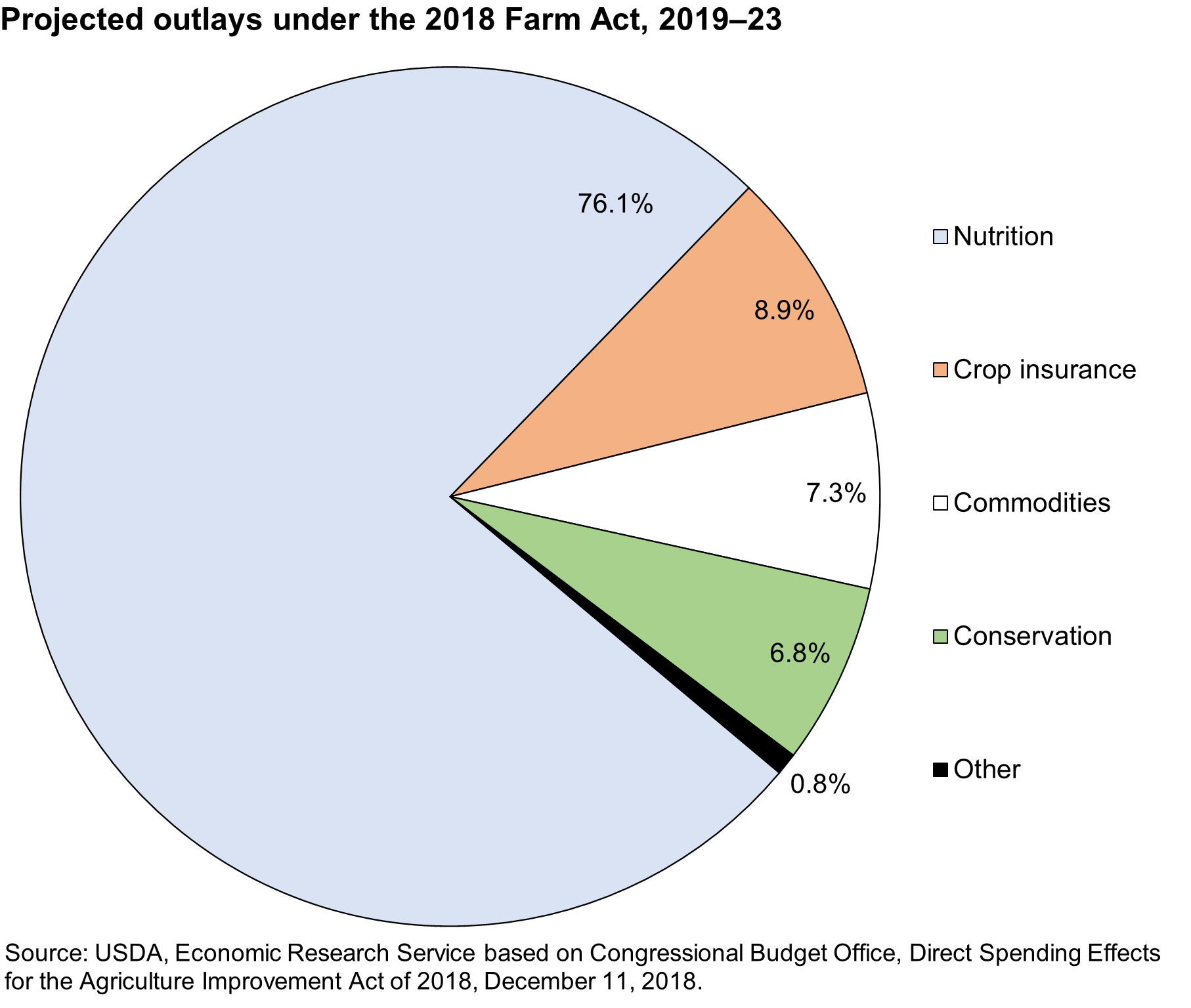
All government programs have a cost and require funding. The Congressional Budget Office projected the total cost of the 2018 Farm Bill at $428 billion over five years. It is reasonable to expect the 2023 Farm Bill to be at the same level or even greater when accounting for inflation. Given the aforementioned debt ceiling, it should come as no surprise that Farm Bill funding will be heavily debated. Conservative House Republicans will take aim at nutrition programs, while Senate Democrats will temper or eliminate most nutrition program cut efforts.
The 2023 Farm Bill funding may benefit from the Inflation Reduction Act (IRA). Nobody believes that the IRA conservation money can be spent by September 30, 2031, as required by law. Senator Stabenow recently signaled openness to moving almost $20 billion from the IRA to more general spending within the Farm Bill if it is climate focused. Republicans have long eyed the conservation money reserved for climate-smart farm programs as a source for general spending, including moving the funds to Title 1 – Crop Commodity Programs rather than shift all of it to Title 2 – Conservation Programs. Either way, the IRA money may be available, which will temper funding debates.
What Are the Farm Bill Priorities?
The top three Farm Bill priorities are simple: Crop insurance. Crop insurance. Crop insurance. Strengthening crop insurance is critical to maintaining a strong farm safety net. This includes keeping crop insurance affordable, increasing crop insurance price points and continuing support for livestock indemnities, forage and pastureland insurance. Although food inflation has been substantial, Americans have the cheapest food supply in the world. Crop insurance is essential for farmers to survive in a capital-intensive business and to keep American food prices low and supplies abundant. We want to be a country that grows crops, produces meat, feeds our own people and exports food worldwide. We need an insurance safety net in the Farm Bill to achieve that mission and help farmers and ranchers navigate weather events (droughts, floods, or any kind of storm). Currently disaster aid for weather events is off budget. Strengthening insurance programs reduces the budget strain of ad-hoc disaster programs.
Other priorities in the 2023 Farm Bill should be increased investment in rural infrastructure and expansion of the Farm Service Agency’s guaranteed loan program. Continued investment in clean water, modern telecommunications, hospitals and schools are needed to attract and keep the next generation of agricultural producers into rural areas. When the 2018 bill was written there was no way to predict the Russian invasion of Ukraine and its impact on agriculture. Nearly half of the world’s fertilizer passes through the Black Sea and over 25% of corn, wheat and other crops from the region help feed the world. Also, the disruption of the supply chain following the COVID-19 pandemic was not on anyone’s radar. These events resulted in escalating costs of production, which require more financing options for producers. Loan size limitations on the Farm Service Agency guarantees no longer adequately meet the needs of many producers and should be increased.
AG-vocating for Our Stockholders
High Plains Farm Credit is a cooperative and our leadership is charged with informing and educating the public about the mission and operation of our cooperative. It is important for farmers and ranchers to continue to communicate with Congress, farm and commodity groups to express ideas and concerns. In the next few months, High Plains Farm Credit directors and management will be visiting Capitol Hill to call attention to the 2023 Farm Bill priorities and key issues in our area. Please contact your local branch office or loan officer if you have any information we can share on your behalf.



 Equal Housing Lender